




How to Dress for Cold Weather: A Winter Layering Guide
Cold-weather comfort starts with choosing layers for the actual temperature, wind, precipitation, activity level and time outdoors. A winter outfit for a short casual walk is different from clothing for a long day outside, and no single hoodie or jacket is right for every condition.
This guide explains a practical layering approach and shows where hoodies, insulated jackets, soft shells, beanies and ear warmers fit. The current DBM Winter Collection focuses primarily on midlayers, outer layers and headwear, so choose any needed base layer separately.
Check the Weather and Activity First
Before choosing winter clothing, look at more than the temperature. Wind can change how exposed skin feels, precipitation can make unsuitable fabrics uncomfortable, and higher activity can produce more body heat and moisture than standing still.
- Temperature: Consider both the forecast high and the colder periods when you will be outside.
- Wind: Decide whether you need a product that specifically lists wind resistance.
- Rain or snow: Use water-resistant or waterproof claims only when the garment listing actually makes them.
- Activity: Walking, working, riding, attending an outdoor event and waiting in one place can require different layers.
- Duration: A quick trip outside usually calls for less protection than extended exposure.
Use a Three-Layer Winter Clothing System
1. Start With a Base Layer
A base layer sits closest to the skin. Choose its fabric and weight for the activity and forecast. If you expect significant perspiration or wet conditions, look for a base layer specifically designed to manage moisture rather than assuming every T-shirt serves the same purpose.
2. Add a Hoodie or Fleece Midlayer
A midlayer adds insulation and can be removed when conditions or activity change. Many current DBM graphic hoodies use 7.8-ounce or 8-ounce 50/50 cotton-polyester fleece. Product construction differs, so check the exact listing rather than treating every hoodie as identical.
A pullover such as the Nautical Compass Premium Hoodie uses a front pouch pocket and two-ply hood. A zip style such as the women’s “Gypsy” Black Zip-Up Hoodie makes it easier to open the front when moving between indoor and outdoor temperatures.
3. Choose the Outer Layer for the Conditions
An outer layer should match the weather you expect:
- Insulated flannel jacket: The Insulated Flannel Jacket 3.0 lists a cotton exterior, quilted satin-lined body and sleeves, poly-fill insulation, zipper-and-snap front, hidden snap collar and zippered hand pockets.
- Soft-shell option: The CLOSEOUT Premium Tactical Shell Jacket specifically lists water-repellent, wind-resistant and stretchable soft-shell construction. Do not extend those claims to other jackets or hoodies that do not state them.
Pullover vs. Zip-Up Hoodies for Winter
Choose a pullover when you want a simple fleece layer with a front pouch pocket. Choose a zip-up when temperature changes make easy venting or removal more useful. Fit also matters: a midlayer needs enough room over your base without creating excessive bulk under the outer jacket.
DBM’s active winter selection includes genuinely unisex pullovers, men’s styles and a women’s contoured zip-up. Review the product-specific measurements instead of choosing from the size name alone.
Beanie vs. Ear Warmer
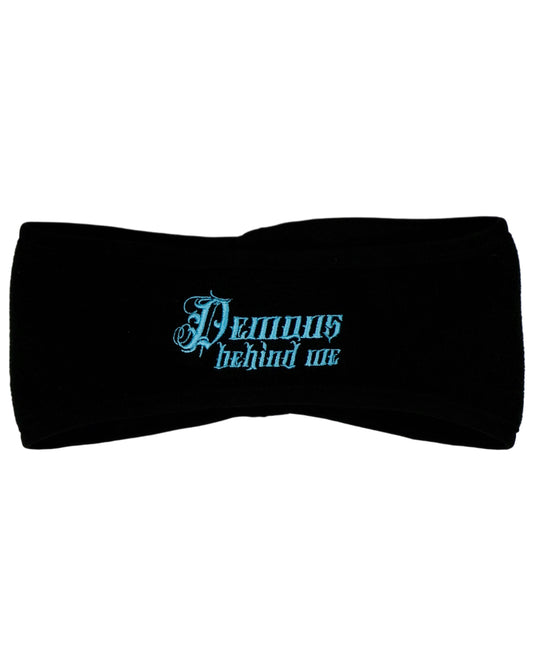
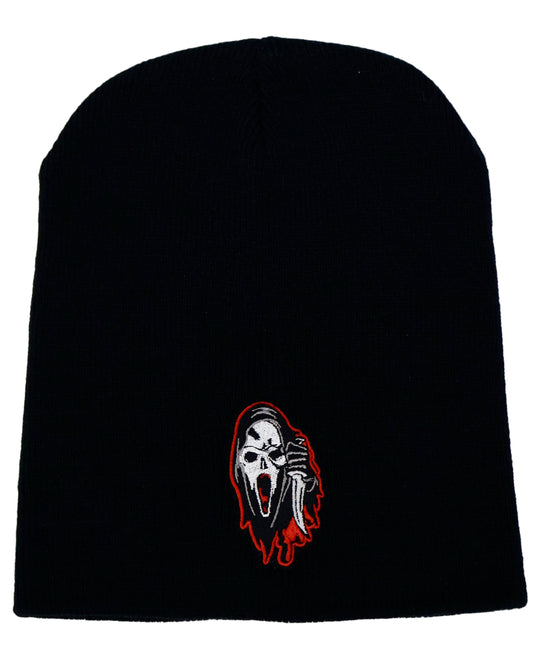
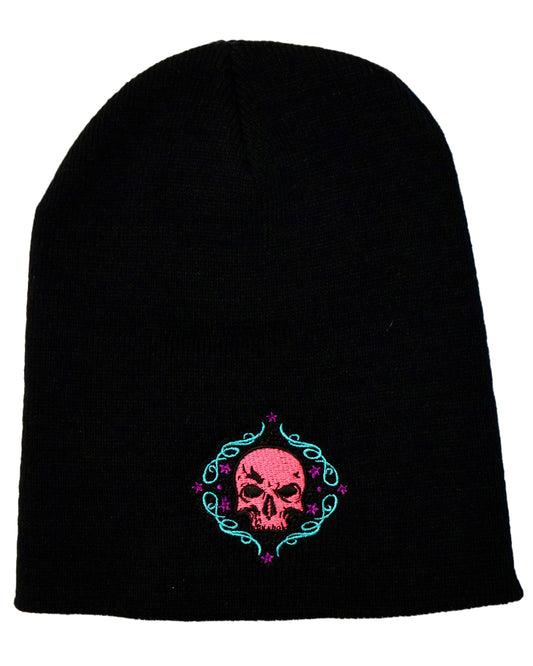
A beanie covers the top and sides of the head, while an ear-warmer headband leaves the top open. Choose based on the coverage you want, your activity and whether you need to fit the item with other gear.
Current options include embroidered acrylic styles such as the Maltese Cross Beanie, Clover Beanie and multiple skull and message designs. Construction and sizing vary; many are listed as one size fits most, while premium rib-knit styles use adjustable folds.
Cold-Weather Outfit Combinations
| Conditions or use | Layering approach | What to verify |
|---|---|---|
| Cool, dry casual day | Base layer, fleece hoodie and optional beanie | Temperature, time outdoors and hoodie fit |
| Colder casual conditions | Base layer, hoodie and insulated jacket | Room for layers and product-specific insulation |
| Wind or light precipitation | Base layer, suitable midlayer and outer shell | The exact wind- and water-resistance claims on the shell |
| Frequent indoor-outdoor changes | Base layer and zip-up hoodie, with an outer layer as needed | Easy venting and current conditions |
These are starting points, not temperature ratings. Adjust for personal comfort, exertion and the forecast.
Check Fit, Availability and Care Instructions
- Compare chest, sleeve and body-length measurements with a garment you already own.
- Allow enough room for the layers you plan to wear underneath.
- Check live inventory because closeout colors and sizes can be limited or sold out.
- Follow the care directions on each listing. Current fleece hoodies generally provide wash instructions, while the insulated jackets recommend dry cleaning.
- Do not assume a fashion hoodie, beanie or jacket is certified protective equipment for hazardous cold exposure.
Shop Winter Clothing From Demons Behind Me
Browse the Winter Collection for current hoodies, jackets, beanies and cold-weather accessories. You can also compare the broader Hoodies & Jackets collection or shop only DBM beanies.


