




Types of Beanies: Fit, Cuffs & How to Wear One
A beanie is a close-fitting knit hat that can be worn for warmth, everyday comfort or style. The basic shape is simple, but cuff height, crown depth, stretch, material and decoration can make two beanies look and feel very different.
This guide explains common types of beanies, how a beanie should fit and how to wear one. When shopping, use the individual product page for exact measurements, materials and availability.
What Is a Beanie Hat?
A beanie is a soft, brimless hat that usually uses a knit construction. Some sit close to the top of the head, while others leave extra room at the crown. A folded cuff can add structure around the forehead and ears, and embroidered artwork or a sewn patch can change the look without changing the basic beanie shape.
Common Types of Beanies
Cuffed Beanie
A cuffed beanie has a folded band around the bottom. The cuff can add warmth around the ears and create a clean, structured profile. On styles with an adjustable fold, moving the cuff changes the visible crown depth and coverage.
Fisherman or Sailor Beanie
A fisherman beanie—sometimes called a sailor beanie—is worn with a shorter, shallow profile, often above or near the tops of the ears. The terms are used somewhat loosely, so depth and fit should be confirmed from the product measurements rather than the name alone.
Slouchy Beanie
A slouchy beanie has extra material at the crown, allowing the back to fall away from the head. It creates a more relaxed silhouette than a shallow or close-fitting style.
Watch Cap
A watch cap is a practical cuffed knit cap associated with cold-weather work and military wear. In everyday shopping, “watch cap” and “beanie” can overlap; the listed depth, cuff and fabric tell you more than the label by itself.
Embroidered and Patch Beanies
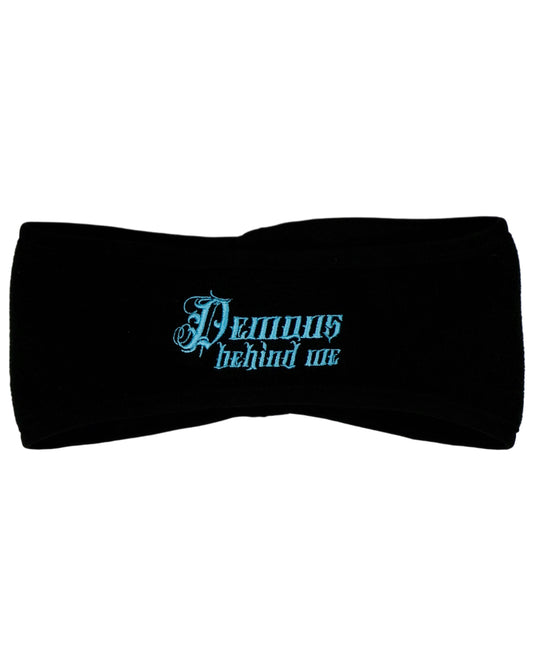
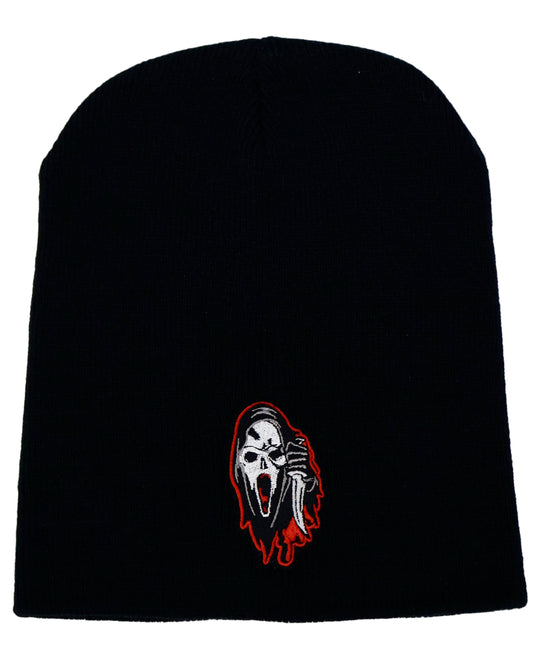
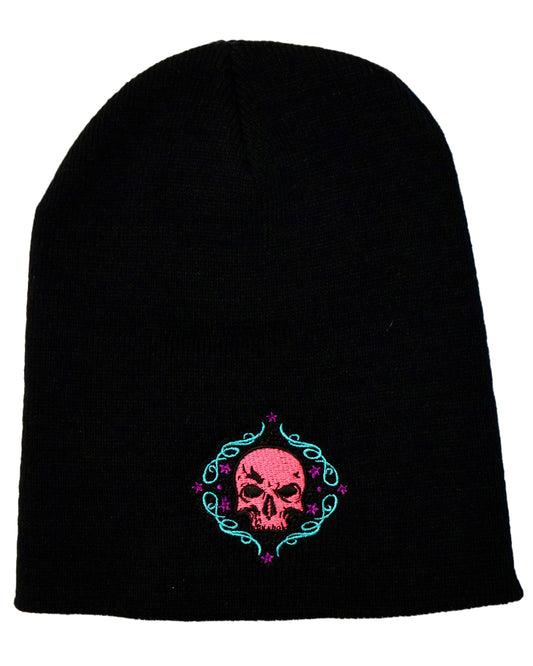
Decoration gives a knit hat its identity. Direct embroidery stitches the design into the hat, while woven or PVC patches are attached to the surface. DBM options include embroidered skulls, awareness symbols, Maltese Cross artwork and ribbed patch beanies.
How Should a Beanie Fit?
A good beanie fit is secure but comfortable. It should stay in place during normal movement without causing painful pressure or repeatedly sliding upward. Consider these details:
- Opening and stretch: The lower band should hold the hat in place without pinching.
- Crown depth: A shallow beanie sits higher; a deeper style covers more of the head or creates room at the crown.
- Ear coverage: Wear the cuff lower for more coverage or higher for a shorter profile when the design allows adjustment.
- Hair volume: Thick or long hair can change how high the hat sits and how much stretch feels comfortable.
“One size” does not guarantee an identical fit for every person. Compare any listed depth or sizing details with a beanie you already like.
How to Wear a Beanie
Start with the amount of coverage you need, then adjust the cuff and crown for the look you want.
- Classic cuffed: Place the opening above the eyebrows and fold the cuff evenly around the head.
- Low for warmth: Pull the hat down to cover the ears, keeping the cuff comfortable rather than overly tight.
- Shallow profile: Raise the cuff and let the hat sit higher when the beanie’s depth and stretch support it.
- Relaxed crown: Leave some material at the back instead of pulling the crown completely flat.
Beanies pair easily with hoodies, jackets, flannels and graphic tees. A neutral black or gray knit keeps the outfit simple, while a skull, clover, semicolon or colored embroidered design becomes the focal point.
How to Choose a Beanie Material
Material affects stretch, softness, warmth, drying and care. Acrylic is common because it can provide warmth, color retention and easy everyday care. Other beanies may use wool, cotton or blended yarns, each with a different feel. Always follow the care directions on the product rather than assuming every knit hat should be washed the same way.
Find a DBM Beanie
Browse the current Demons Behind Me beanie collection for embroidered and patch styles. Examples include the Small Woven Patch Premium Beanie, the limited-edition “Slasher” Beanie and the Black Semicolon Suicide Prevention Beanie. For fitted caps, trucker hats, snapbacks and other silhouettes, visit the full hats and caps collection.
Frequently Asked Questions
What is the difference between a cuffed beanie and a fisherman beanie?
A cuffed beanie describes the folded lower band. A fisherman beanie describes a shorter way of wearing—or constructing—a beanie. A shallow fisherman style can also have a cuff.
Should a beanie cover your ears?
It depends on warmth, comfort and style. Covering the ears offers more protection in cold conditions, while a shallower fit creates a shorter profile.
Are beanies one size fits all?
Many are sold in one size because knit fabric stretches, but head size, hair and construction still affect fit. Check the product-specific measurements and return information.
Can men and women wear the same beanies?
Yes, many beanies are unisex. Fit depends more on the hat’s measurements, stretch and depth than on a gender label.


